Chapter Newsletters
Why Publish a Newsletter
Chapter newsletters provide local and international information about the Association. They offer educational material that will be of interest to the chapter’s membership at-large. More than half of ALA’s chapters publish a newsletter. These vary in size, length, frequency and the type of information delivered. Some newsletters provide in-depth, thought-provoking, educational articles. Others offer information about ALA and its members. Many provide both. In any case, the newsletter is a positive means of communication among chapter members.
The newsletter can communicate information to chapter members that pertains strictly to them, such as promoting meetings, retreats and conferences, or can be used to provide information about the Association. Some of the information should be related to the Association’s mission and should deal with subjects pertinent to chapter members.
A regularly published newsletter can also serve as a reminder throughout the year that members receive benefits from their ALA membership and chapter affiliation.
Many chapters publish a newsletter as a means of creating revenue. Advertising can often support the production costs of the newsletter and may surpass those costs if the production is donated. If you do include advertising, please refer to the legal opinion on unrelated business income tax guidelines.
Whatever the size of your chapter, communication is the goal, and a newsletter is an effective way to accomplish that goal.
Members, please log in to see these benefits.
Not a member yet? Consider joining and enjoy the benefits that come with membership!
Why Publish a Newsletter
Chapter newsletters provide local and international information about the Association. They offer educational material that will be of interest to the chapter’s membership at-large. More than half of ALA’s chapters publish a newsletter. These vary in size, length, frequency and the type of information delivered. Some newsletters provide in-depth, thought-provoking, educational articles. Others offer information about ALA and its members. Many provide both. In any case, the newsletter is a positive means of communication among chapter members.
The newsletter can communicate information to chapter members that pertains strictly to them, such as promoting meetings, retreats and conferences, or can be used to provide information about the Association. Some of the information should be related to the Association’s mission and should deal with subjects pertinent to chapter members.
A regularly published newsletter can also serve as a reminder throughout the year that members receive benefits from their ALA membership and chapter affiliation.
Many chapters publish a newsletter as a means of creating revenue. Advertising can often support the production costs of the newsletter and may surpass those costs if the production is donated. If you do include advertising, please refer to the legal opinion on unrelated business income tax guidelines.
Whatever the size of your chapter, communication is the goal, and a newsletter is an effective way to accomplish that goal.
ALA chapters are increasingly moving to publish newsletters electronically. These e-newsletters save chapters money on printing and mailing and offer very timely information. You can also put each edition in a digital archive on your chapter’s website or online community, allowing members to peruse issues they may have missed. Sending an email newsletter is a powerful way to stay in touch with your members and prospects regularly. By staying on their radar, they will think of you first the next time they need a product or service your chapter offers.
E-newsletters are often unopened by some members and can also be caught in spam filters. To maximize readership, it may be beneficial to supplement e-newsletters with occasional print newsletters with key information. To bypass spam filters, it is recommended that chapter members add the e- newsletter sender to their email contacts. If that does not work, the chapter member may have to talk with the chapter webmaster.
Creating a successful newsletter requires teamwork and careful planning. Chapters that excel in newsletter production recognize the importance of collaboration and organization.
Responsibility
Once a chapter decides to publish a newsletter, forming a team ensures a smoother process than relying on one person. A team approach distributes workload, fosters creativity and provides continuity when members transition. Roles can be assigned based on strengths and interests. For example, an editor oversees content, while assistant editors handle article solicitation and reviews. Another approach would be to have a content editor focus on writing, while a publisher manages layout, printing and distribution. A third member may handle advertising and sponsorships.
Scheduling
Chapters may publish newsletters monthly, bimonthly or quarterly, depending on available content and team capacity. Once a schedule is set, it’s essential to meet deadlines — delays can signal disorganization or lack of interest.
The editor should establish a content calendar, assigning deadlines and planning future issues while finalizing the current one. This ensures a steady flow of material.
Distribution
Who should receive the newsletter? Expanding your audience can promote your chapter and ALA.
Consider mailing copies to:
- Chapter members and nearby chapters without newsletters.
- Former and independent ALA members in your area.
- Chapter presidents and prospective members (mark copies as “complimentary”)
Additionally, upload copies to your chapter’s Online Community for wider accessibility.
The chapter or the newsletter committee should prepare specific guidelines for the newsletter's content in advance. You may also want to give guidelines to the editor for handling features, reprints, section news, book reviews, humor, advertisements, product news, editorials, President’s column or other matters that may arise.
Original Articles
Having original articles written by ALA members or other professionals is perhaps the single most important responsibility of the newsletter editor. Have specific topics in mind to facilitate the process.
Once the initial contact has been made with a prospective author, the editor should follow up with specific information concerning manuscript guidelines and publication dates. Individuals interested and knowledgeable enough to serve on a chapter section committee or national management team are usually well qualified to write newsletter articles. They also know other professionals and speakers who will be willing to write for the publication with little encouragement. Speakers from the Annual Conference & Expo, specialty conferences and local meetings may also be willing to write if asked. Few people will volunteer but, if asked, more than a few will be willing to contribute.
As a courtesy, be sure to send a copy of the issue that carries this person’s article to contributing authors — particularly those who are not ALA members. This may help other editors to obtain articles for future issues.
Note: It is important to provide authors article length guidelines, either in number of words or number of pages. On average, a typeset page of text will take approximately 500 words. This number will obviously fluctuate depending on typeface, size and the inclusion of artwork. Newsletter feature articles should usually be no longer than one to two pages of the publication. Longer articles can be used as a series or printed in two parts. A single article should not dominate the issue.
ALA’s website includes information about ALA happenings and industry news that can be included in a chapter newsletter. Promotional resources, including logo usage, article libraries and the ALA publicity kit can be found here.
Newsletter Article Library
Did you know you can reprint content from Legal Management in your chapter newsletter? The content must be picked up as originally published and include copyright information and attribution to ALA and Legal Management. However, there are a few rules to follow:
Please always include the following attribution with the article: “Copyright © (Year) Association of Legal Administrators. All Rights Reserved. alanet.org.”
No editing or changing of copy is allowed. The article must also be published in its entirety.
If there is a byline, it must be printed with the article. This includes any biographical information that may appear at the end of the article.
As a matter of courtesy, send a copy of the reprint in your newsletter to the publication in which it was originally printed.
Questions? Email [email protected].
Reprints
To ensure your chapter is not violating any copyright laws, contact ALA for written permission prior to reprinting articles, graphics, pictures or magazine covers. ALA members are bombarded with material from professional publications directed toward the legal profession. Reprinting articles often leads to redundancy and detracts from the quality of the publication. If you do decide to use a reprinted article, permission of the author or publication in which the material originally appeared — depending upon who controls the copyright — must be secured. Even for articles not copyrighted, it is a matter of courtesy to secure the proper permission before using the article.
Also, when the article appears in your publication, a permission line should appear with the reprinted article. Usually, the person giving written permission will provide the wording they want used, but if they do not, a general permission line reads: “Reprinted with permission from (name of publication), (date of publication).” While it may be possible to obtain permission to reprint over the phone, always get written permission.
There are several alternatives to using a reprinted article. If an editor sees an article that appears to have interest for the readers of a chapter’s newsletter, they may contact the author and express an interest in having the author prepare an original article on the same topic that will be specifically slanted toward the readers. The author may be flattered by your interest, and a tailor-made article can be secured for publication.
Another suggestion is to have the editor review the article in book review fashion. This can be an alternative, especially if the article is too lengthy to fit in with the newsletter format.
A column or feature header titled “Worth Reading” or a similar title could be used to highlight various articles that might be of interest to the newsletter readers. Or, in an editorial note, attention could be called to particular articles in other publications that are available to administrators. While reprinting from other publications may be an option for you, reprinting from your publication may be an option for someone else. Your newsletter should also display a copyright notice. The copyright notice is a very simple statement that should appear on the title page (normally the first page) at the bottom. The following form is most common: “©Copyright (Year), Name of Chapter. All rights reserved.” Not only will such notice give protection to contributors to the chapter publication, but it will also provide protection to owners of copyrights on materials that are being reprinted.
Along with the copyright notice, it is important to state your newsletter’s policies in each issue. This will help to ensure that contributions fit with your goals and your readers’ needs.
It should be noted that when an original article or a reprinted article appears in your newsletter, proper credit should be given to the author. Be sure to include a byline at the beginning of the article. It is also a good idea to include a brief author bio at the end of the article and often helps the reader understand how the author has the authority to speak on a specific topic. It also allows the reader to go directly to the article's source with further questions.
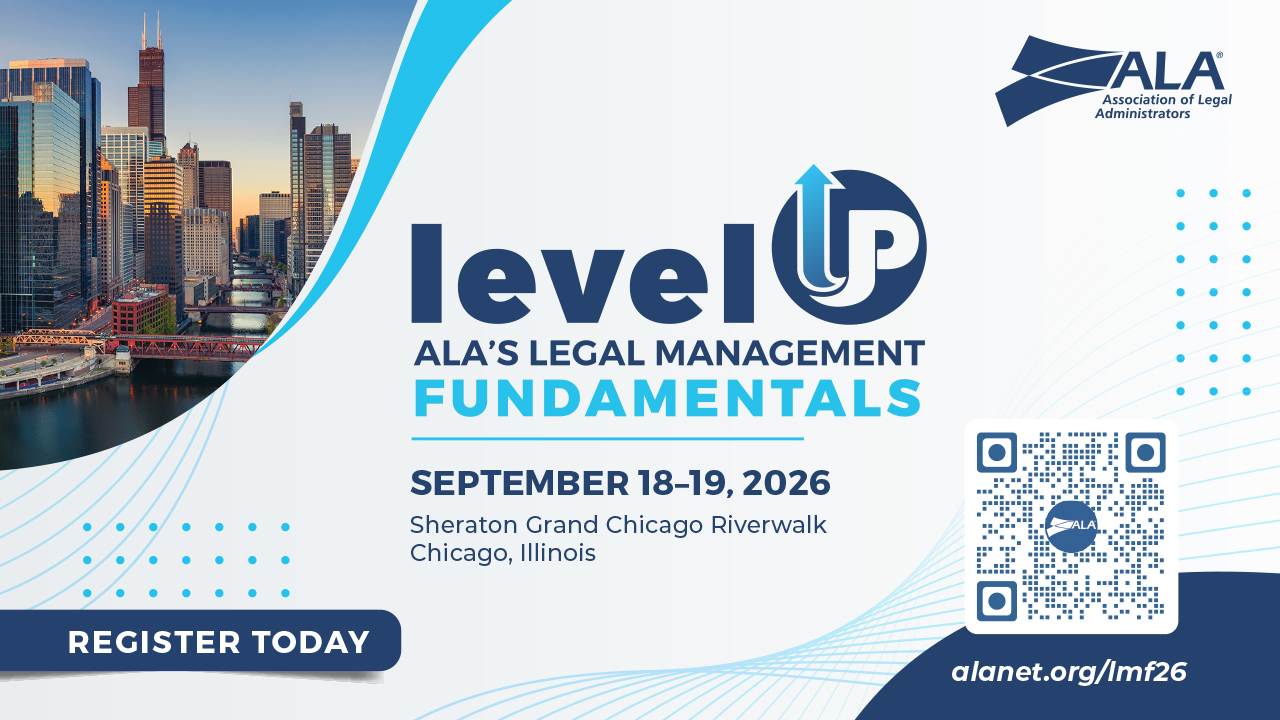
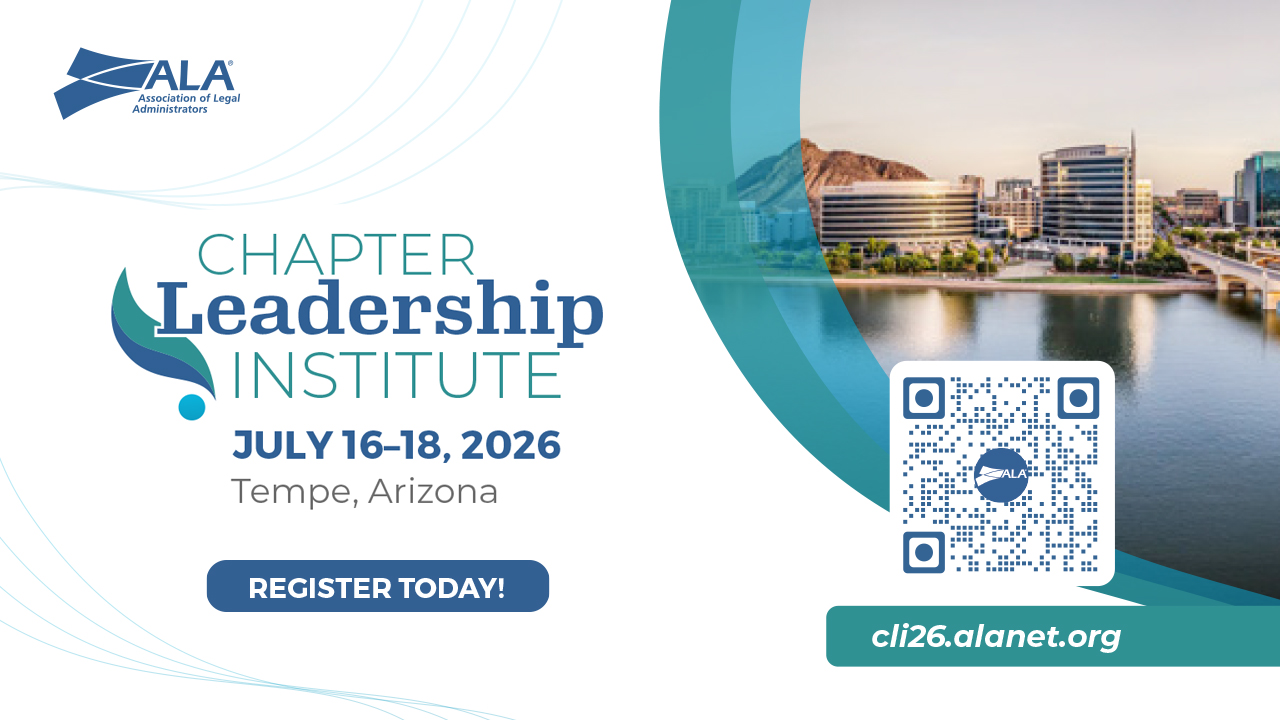
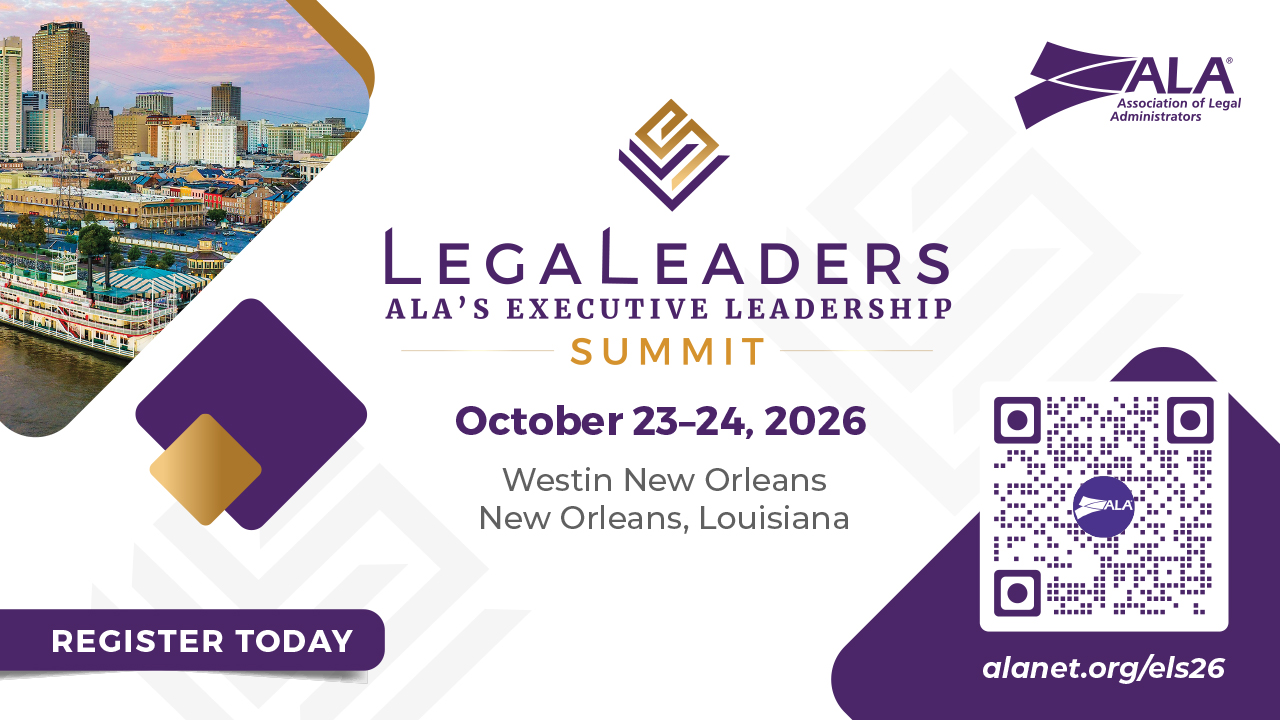
Half Page Ads
The Latest in Legal Management (Legal Management Talk podcast ad)